
Is Quoting Poetry a Sign of Mental Health? The Beast in Me Raises the Question.
The grandmother of American poetry gets a nod on the Claire Danes-led limited series taking Netflix by storm.

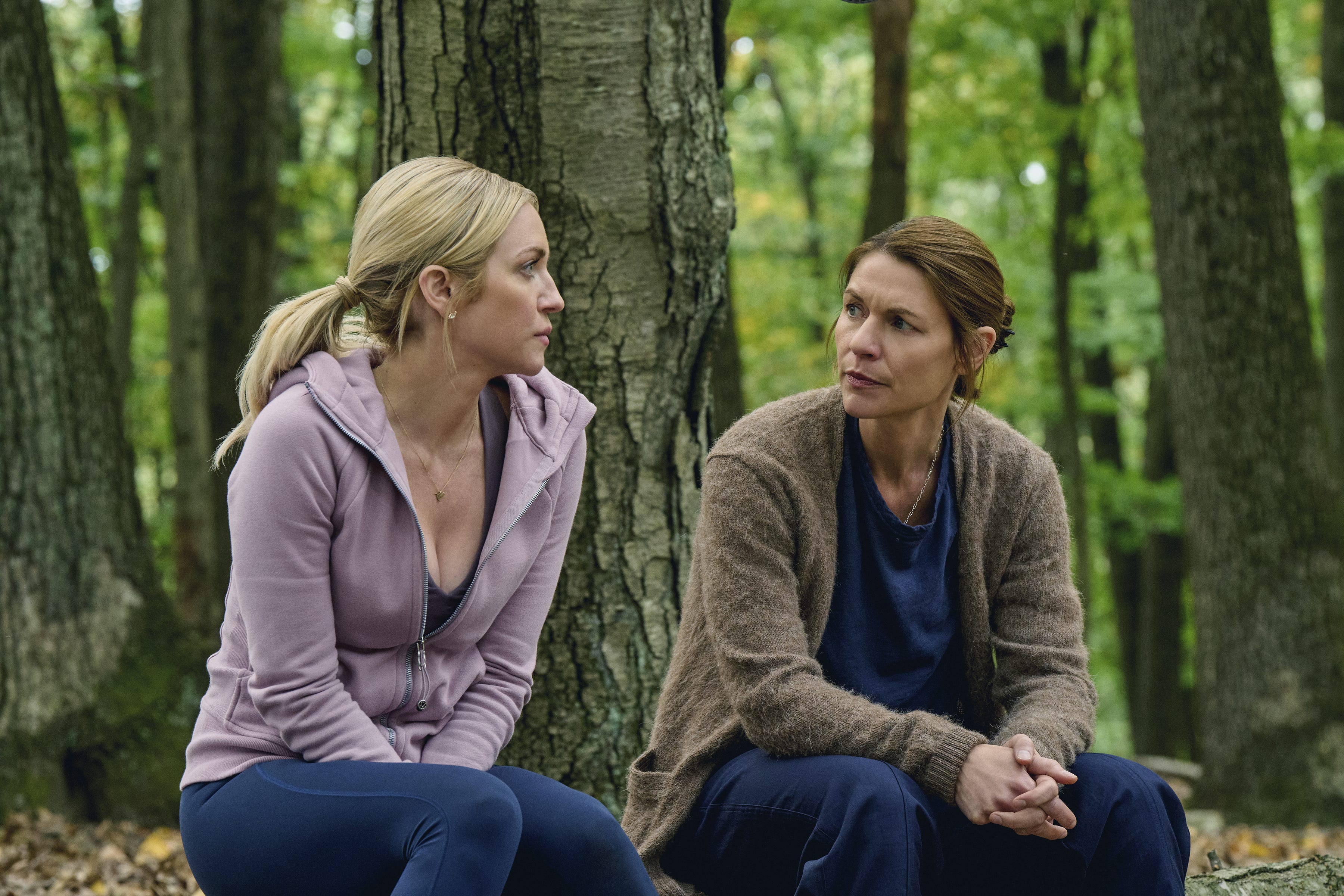
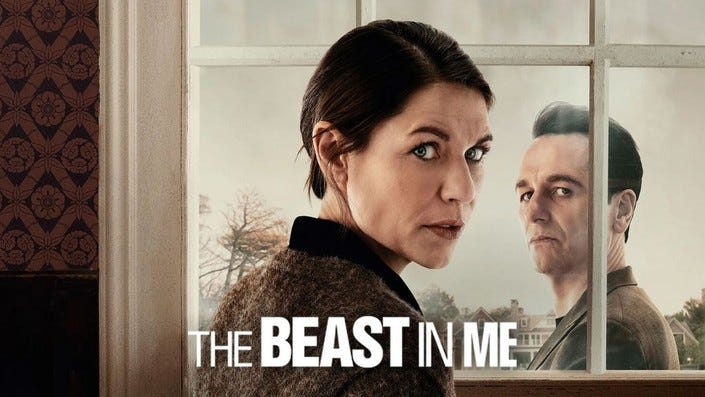
I would watch Claire Danes read the phone book. I would watch her floss her teeth. I’ve been in love with her work since 1994, when her debut as Angela Chase on My So-Called Life that summer was followed up by her turn as Beth in Little Women1 that Christmas. Her most recent venture, the limited series The Beast in Me, has been a top watch on Netflix in recent weeks but has been the subject of mixed reviews. In her latest role, Danes plays a writer (glorious) named Aggie Wiggs, who finds herself living next door to an ultra-wealthy real estate type who probably (definitely?) killed his wife. I love Danes playing a writer: it works for her emotional tenor as an actor.
In the series finale (Episode 8, “The Last Word”), we get a reference to the so-called grandmother of American poetry just to put a cherry on top of the show’s writerly vibe. But the reference isn’t just a throwaway garnish: it hints at what we think poetry and its memorization signify in our culture.
*BIG SPOILERS AHEAD*
Content Warning: Self-Harm
The Note
The poetry moment comes at the tail-end of the show. Here’s what you need to know: Nina (Brittany Snow) is married to the show’s antagonist, Nile Jarvis (Matthew Rhys), the rich guy who may or may not be a psychotic killer. Nile is infamous as a suspect in the death of this ex-wife, Madison (Leila George), which was ruled a suicide. Nina and Nile moved in next door to Agatha “Aggie” Wiggs (Danes) and subsequently turned her life upside down.
In the final episode, Aggie confronts Nina in a last-ditch attempt to put Nile away for several murders, one of which he has framed Aggie for. Nina begins to put together what Aggie already knows: Nile “repurposed” Madison’s suicide note from a previous attempt, proving his involvement in her death.
To lure him into confessing, Nina tells Nile that something never sat right with her about Madison’s suicide note. The two women had been close friends who worked together, so she was struck by the note’s composed tone compared to Madison’s manic energy at the time of her disappearance.
NINA: You know, there’s something that never made sense. The night that Maddie disappeared, we had a fight. A bad one. She said really horrible things.
NILE: She was sick. She, um… She wasn’t herself.
NINA: I know. I know. She was that other Madison—the one that took over when she was spiraling. But then her note was the opposite. It was peaceful and loving. She quoted Emily Dickinson.
NILE: I’m not sure I follow.
NINA: To say what she said to me, to be so cruel, and then end her life. To let that be the last thing that she… that she ever… I never understood. Until now, maybe. Did she really write it that night?
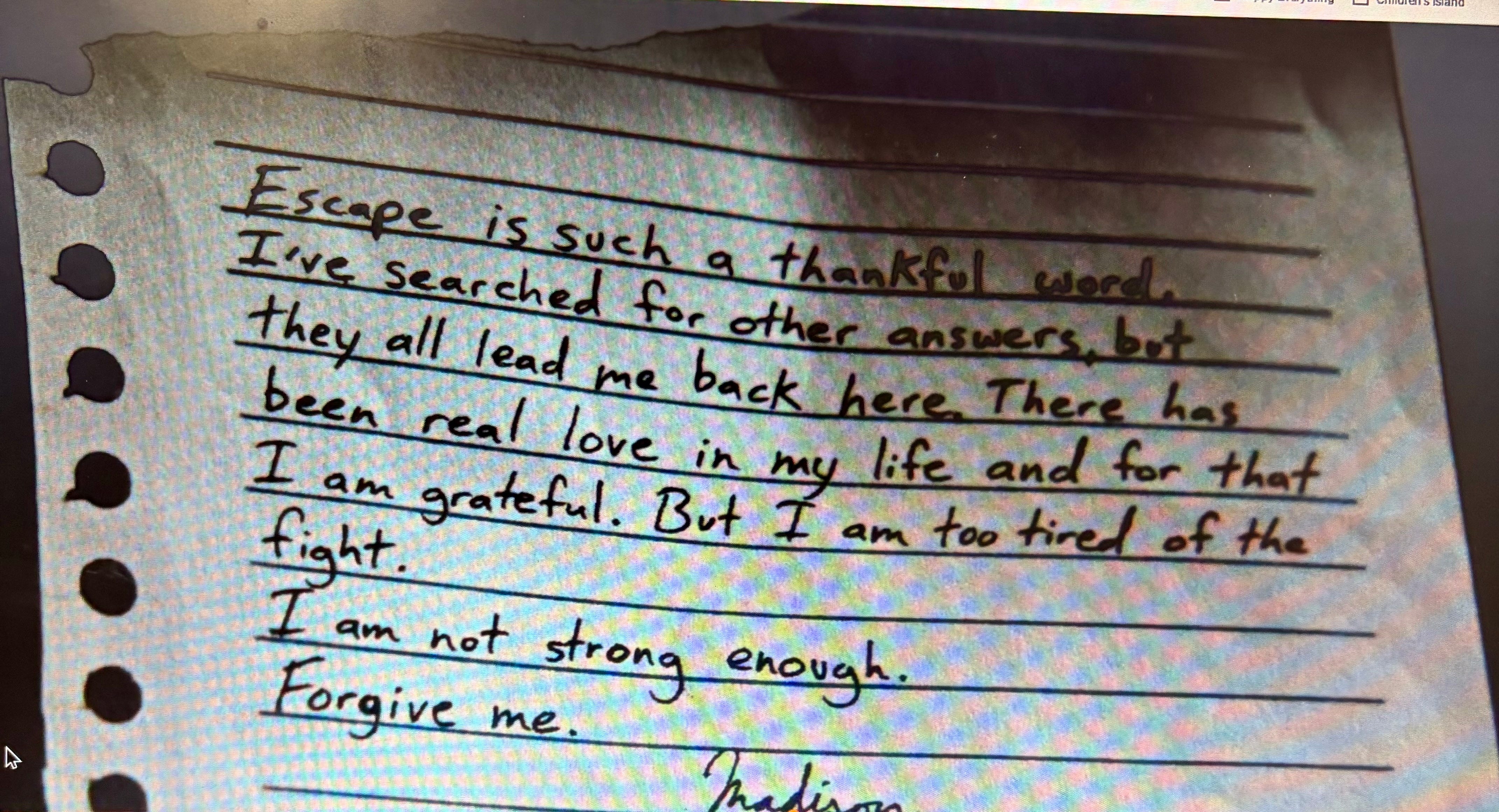
Nina utters Dickinson’s name almost reverently in this scene. What is she suggesting?
Madison was genuinely suicidal when she wrote the note we see on screen in Episode 4, “Thanatos.” After writing it, she overdosed on pills but was discovered and saved. But Nina’s right: the note shows real composure and surety. You might even call it right-mindedness, even though we understand suicide as aberrant behavior (its status as a mental disorder in and of itself is still debated). Madison suffered from Bipolar Disorder, but her note shows a kind of neutrality much different from her emotionally heightened demeanor at the time of her actual death years later.
To Nina, Madison’s quoting of the famous poet was a sign that her friend was more herself when she wrote the note. She’s also hinting that the quote was a sign that Madison was clear-headed, even though that clear-headedness helped her carry out a suicidal action.
Is the argument here that quoting Dickinson is incompatible with mental breakdown? Or that it’s highly compatible? It’s complicated, and the specter of suicide and its place in our culture and shared psychology complicates it further.
Here’s a thought: How would we interpret a suicide note that quoted Sylvia Plath, for example? Or Charles Bukowski? What does it mean that this poet and this poem were chosen?
Dickinson the Poet
That Madison could recall or quote Dickinson could be construed as a sign of mental composure, but make no mistake: Amherst’s favorite daughter is anything short of stuffy. Her work is sexy, subversive, and powerful.
The poem Madison quotes in the first line of her suicide note is the first line of “[Escape is such a thankful word],” available to read in its entirety here:
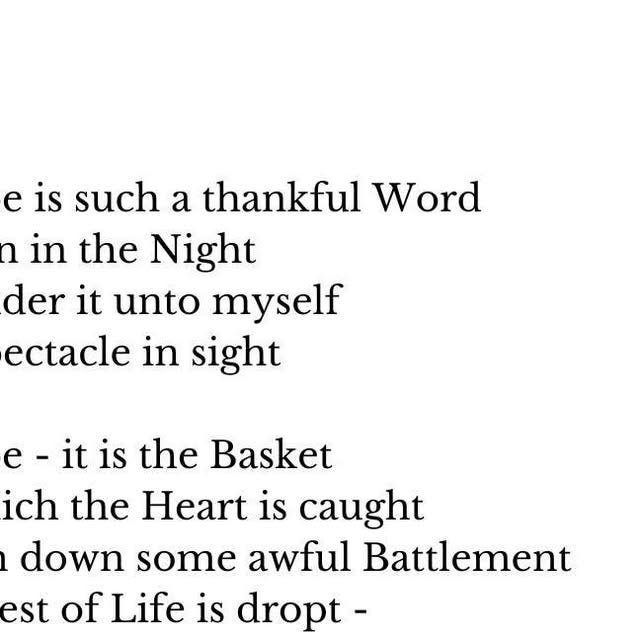
Dickinson seems to suggest that escape is always available to us in one form or another, whether it’s a physical escape or a mental one—or, more darkly, the final escape of death.
Dark, and correct.
It’s always interesting to me when Dickinson is used to signify a kind of pinky-raised equanimity when so much of her work is rapturous, death-focused, even edgy.
The folks who created the Hailee Steinfeld-led AppleTV+ show Dickinson were attuned to this dimension, certainly, but it seems that the writers of The Beast in Me may not have been. She was hardly the stolid pillar of cool rationality the show seems to want her to be. A genius, surely, but
What do you think about the show’s choice of poet in this moment? Let me hear from you below!
P.S.
Bonus writer moment in The Beast in Me worth mentioning: my blood ran cold when they revealed that Nile had EDITED her MANUSCRIPT in RED INK when he BROKE INTO HER HOME. The ultimate terror for any writer. Jesus! He might as well have gone full Amy March and burned it.
It’s Christmastime, and a certain poem is everywhere. Revisit my omnibus overview of the poem’s place in pop culture here.
I’m just now hearing about poet Kimberly Marasco’s copyright infringement lawsuit against Taylor Swift, but trust that I will have more to say about it soon. Eep!
Related
Don’t even get me started on this movie. It’s so sacred to me that I haven’t even attempted to write about the poetry it contains yet, as of this writing. Soon! I must!
I actually wanted to read this post so bad I went and watched all of Beast in Me so I could lol (I enjoyed the show! And I loved this analysis!)
I haven’t yet watched the show to opine on it all but you had me at “I would watch Claire Danes read the phone book.” My So-Called-Life forever! I’ve met more than one writer who has Claire Danes’ name ready to go as their answer to the classic “Who would you want to play you in a movie?” question. There is something utterly writerly about her. Loved reading. Can’t wait to watch.